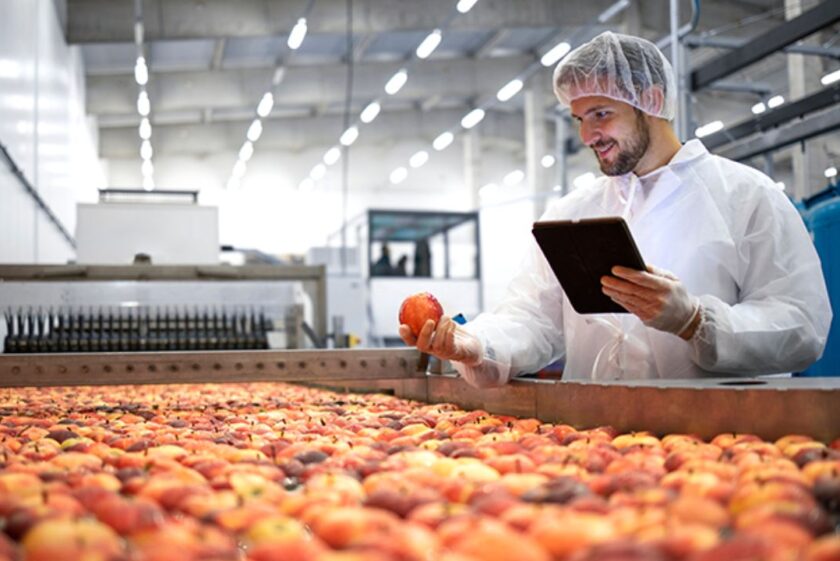
Food manufacturers regularly face a critical decision: should they make a product component in-house or buy it from external suppliers? This “make-or-buy” dilemma plays a vital role in shaping cost structures, production efficiency, and competitive advantage.
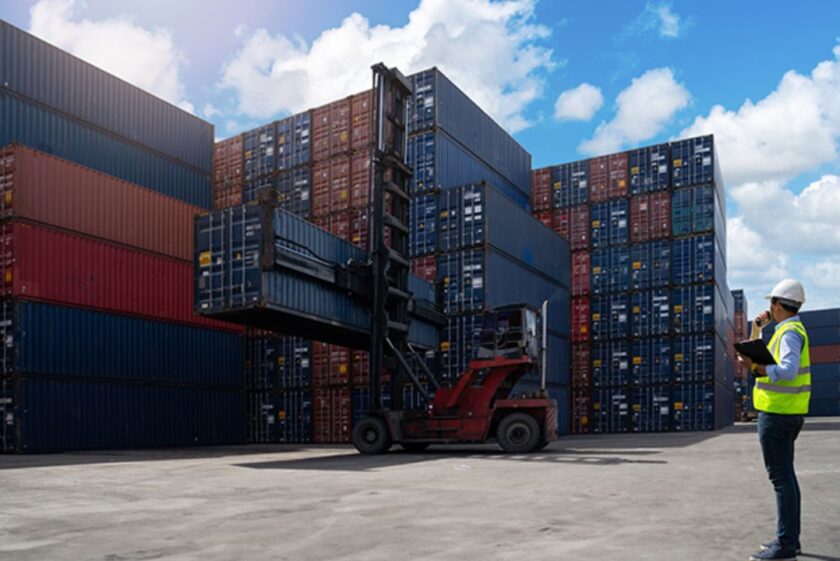
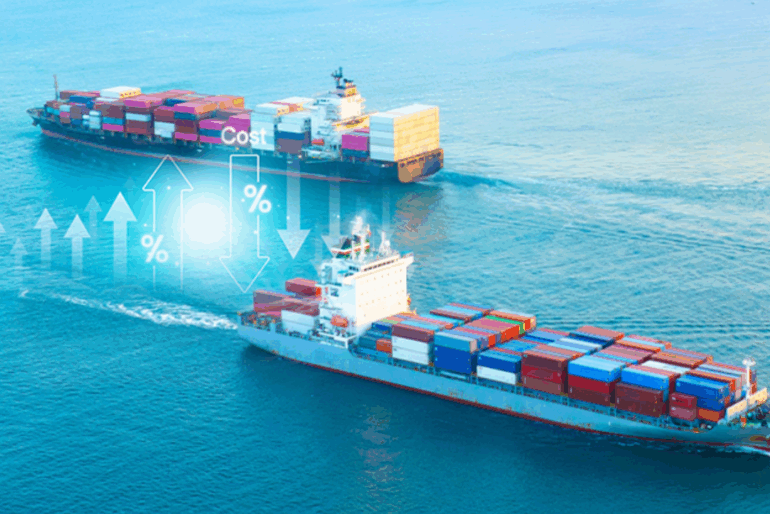
Import duties can heavily impact a company’s bottom line, especially for businesses dependent on global suppliers. For one European e-commerce company specializing in tandem and e-bikes, managing rising import costs and restrictive quotas became a critical challenge.
In today’s fast-paced business environment, a well-structured supply chain planning process is essential to stay competitive and meet customer demands. Supply chain planning involves aligning supply with demand, optimizing operations, and ensuring efficient material and product flows. Effective planning minimizes…
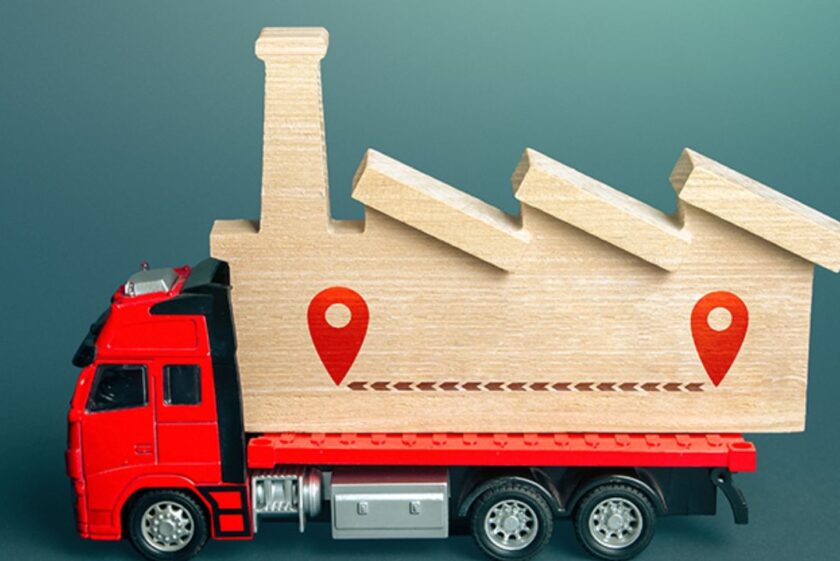
In today’s globalized economy, manufacturers constantly seek ways to optimize operations, reduce costs, and improve efficiency. For many, Mexico has emerged as a highly attractive location for relocating manufacturing operations. The proximity to the United States, competitive labor costs, and…
In business, decision-making is at the core of long-term success. One of the most critical decisions companies faces is whether to make a product or service in-house or buy it from an external supplier. Known as the “make or buy”…
Private equity has become a significant player in the food industry, leveraging operational efficiency to unlock growth and enhance profitability. As the food production and distribution landscape evolves, private equity firms increasingly focus on optimizing operations to drive value creation.